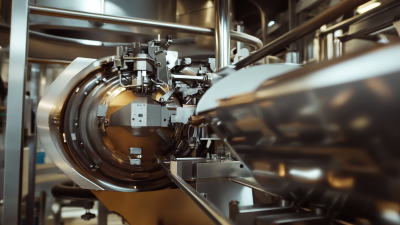
What Is the Best Chocolate Bar Making Machine in 2026?
Choosing the best Chocolate Bar Making Machine in 2026 requires more than comparing prices or advertised production speed. Chocolate manufacturers now face tighter quality expectations, higher energy costs, and growing demand for premium, filled, and customized bars. According to Fortune Business Insights, the global chocolate market is projected to expand steadily through 2032, while Grand View Research identifies premium products and product innovation as important growth drivers. These trends increase pressure on equipment suppliers to deliver reliable tempering, accurate depositing, consistent moulding, and efficient cooling.
The right machine should match the factory’s real workflow. A small artisan producer may need a compact tempering unit, interchangeable moulds, and easy wash-down access. A high-volume plant may require automatic dosing, vibration control, cooling tunnels, and integrated packaging connections. One detail matters greatly: chocolate leaving the tempering section should maintain stable crystal formation, not merely reach a target temperature. The International Cocoa Organization also continues to report supply volatility and cost pressure across cocoa markets, making material efficiency and reduced rework increasingly valuable.
There is no universal winner. A fast machine can still create thick edges, air pockets, or uneven shine when operators lack training. That is easy to overlook. Buyers should request production trials, inspect cleaning time, verify electrical standards, and review service response records before signing a purchase agreement. Industry reports provide useful direction, but factory evidence deserves equal weight. This guide compares leading Chocolate Bar Making Machine options through capacity, product flexibility, hygiene design, energy use, maintenance, and total ownership cost. Some specifications may look impressive on paper. Real chocolate is less forgiving.

Chocolate Bar Making Machines: Definition, Types, and Core Functions
What Is the Best Chocolate Bar Making Machine in 2026?
Chocolate bar making machines convert prepared chocolate into consistent bars through melting, tempering, depositing, cooling, demoulding, and packaging. Their value lies in control, not appearance alone. Grand View Research reported that the global chocolate market reached approximately USD 119 billion in 2023, increasing pressure on producers to improve consistency and output.
The main machine types include batch tempering units, continuous tempering systems, moulding lines, one-shot depositors, and enrobing equipment. A moulding line suits solid bars with fixed shapes. A one-shot machine handles filled products by depositing chocolate and centres together. Enrobing systems create a chocolate coating around biscuits, wafers, or fillings. Small details matter. Cooling tunnels need stable airflow and temperature, or bars may develop dull surfaces, cracks, or difficult demoulding.
Core functions should match the recipe and factory scale. Operators should check tempering accuracy, deposit weight, mould changeover time, sanitation access, energy use, and production data recording. PMMI research on packaging automation highlights the growing importance of flexible equipment, digital monitoring, and reduced changeover losses. However, a higher hourly rating can mislead. It may ignore cleaning time, rejected bars, or unstable filling viscosity. That choice matters.
In practical testing, the best 2026 machine is not automatically the fastest model. It should maintain accurate weight, smooth surfaces, reliable cooling, and repeatable results across several recipes. I would still question impressive specifications without trial data, service records, and measured waste. A slower line may prove more profitable when labour, downtime, and product defects are included.
What Is the Best Chocolate Bar Making Machine in 2026?
The best machine depends on production volume, automation needs, available space, and product consistency. This chart compares representative hourly throughput levels for common chocolate bar making machine types. Actual capacity varies with chocolate viscosity, bar weight, mold size, cooling time, and operator workflow.
Capacity figures are indicative industry ranges: tabletop machines typically handle small batches, while continuous industrial lines are designed for high-volume production.
Key Factors for Choosing the Best Machine in 2026
Choosing the best chocolate bar making machine in 2026 starts with production reality, not impressive specifications. The International Cocoa Organization estimated 2023/24 cocoa production at 4.461 million tonnes, while grindings reached about 4.855 million tonnes. This pressure makes stable processing and low material waste commercially important. Capacity matters. Measure it.
A suitable machine should control melting, refining, tempering, depositing, cooling, and demolding with consistent accuracy. Check temperature stability during long production runs, especially when working with dark chocolate or recipes containing nuts. A variation of only a few degrees can create dull surfaces, weak snaps, or visible fat bloom. Sanitary design also deserves close inspection. Tool-free access, sloped surfaces, and cleanable contact parts can reduce cleaning time and contamination risks.
Labor efficiency is another practical factor. PMMI’s 2024 packaging industry research identified workforce shortages as a continuing reason for automation investment. However, more automation does not automatically mean better results. An operator-friendly interface, clear fault messages, and accessible spare parts may matter more than advanced software. Energy use should also be measured per kilogram of finished bars, not only by motor power. The International Energy Agency continues to emphasize industrial efficiency as a major route to lower operating emissions. Small producers should calculate changeover time, maintenance skill requirements, and minimum economical batch size before purchasing. That assumption can fail. A high-capacity line may remain underused, creating unnecessary costs and idle equipment.
Comparing Machine Capacity, Automation, Quality, and Energy Efficiency
What Is the Best Chocolate Bar Making Machine in 2026?
The best machine is not always the largest one. Capacity should match daily demand, product size, and changeover frequency. A 300-kilogram-per-hour line may waste energy in a small factory. It may also create excess stock. The International Cocoa Organization reported global cocoa grindings of about 4.8 million tonnes in the 2023/24 season, showing strong processing demand. Yet, factory scale still determines the right investment.
Automation affects consistency more than speed alone. Servo-controlled depositing, cooling, and wrapping can reduce weight variation and operator adjustments. Inline temperature sensors also help protect chocolate texture. Research from the International Organization for Standardization shows that ISO 22000 supports systematic food-safety control, but certification cannot fix poor machine design. Cleanable surfaces and easy access matter. They matter every shift.
Energy efficiency deserves careful testing. The International Energy Agency estimates that electric motor systems consume more than 40% of global electricity. Variable-speed drives, insulated cooling tunnels, and heat recovery can reduce avoidable consumption. Ask for energy use per kilogram, not only motor power. That number is more useful. Independent factory trials should verify output, noise, cleaning time, and reject rates. Manufacturer claims can look impressive. Sometimes, they are incomplete. A smaller automated line may deliver better quality and lower operating costs than a faster machine with unstable temperature control.
Top Chocolate Bar Machine Categories for Different Business Scales
Choosing the best chocolate bar making machine in 2026 depends on production scale, product variety, and available workspace. A small shop often benefits from a compact tempering and molding machine. It should offer adjustable temperature control, removable parts, and simple cleaning access. A 5–20 kilogram batch capacity may suit seasonal orders and handmade collections. Keep the workflow visible.
For a growing workshop, a semi-automatic machine can improve consistency without removing all craftsmanship. Look for continuous tempering, heated hoppers, vibration tables, and adjustable cooling tunnels. These features help reduce air bubbles, uneven surfaces, and soft snap. In production trials, operators should check chocolate temperature at several points, not only on the display. Small differences matter. A machine with local technical support and available replacement parts also reduces costly downtime.
Large manufacturers need high-throughput automatic lines with integrated depositing, cooling, demolding, and packaging connections. Servo-controlled dosing can maintain bar weight across long runs, while stainless steel contact surfaces support hygienic cleaning routines. Energy use, floor space, noise, and maintenance access deserve equal attention. A fast machine is not always the best machine. Some buyers underestimate changeover time between dark, milk, and filled products. That mistake can erase expected labor savings. Testing with the actual recipe, mold shape, and inclusions remains essential before purchase.
Safety, Maintenance, Cost, and Future Technology Considerations
What Is the Best Chocolate Bar Making Machine in 2026?
The best chocolate bar making machine should protect people before increasing output. Food-contact surfaces must resist corrosion, clean quickly, and leave no hidden chocolate residue. Guards should cover moving parts, while emergency stops must remain easy to reach. Experienced operators also inspect temperature probes, wiring, and cooling tunnels during every shift. A machine that passes a factory test can still fail through poor training or rushed cleaning. That detail matters.
Maintenance affects the real purchase price. Ask for service intervals, spare-part availability, cleaning instructions, and technician response times. A solid machine should allow access to pumps, heaters, molds, and conveyors without unsafe dismantling.
Keep written inspection records, even for small workshops. They reveal repeated faults before production stops. Sometimes, the cheapest machine becomes expensive after three unplanned breakdowns. I would also calculate energy use, labor hours, rejected bars, and changeover time, not only the invoice.
Future-ready equipment may use sensors to track temperature drift, motor load, and cooling performance. Predictive alerts can prevent a thick chocolate layer from becoming a full batch loss. Recipe storage can improve consistency, but software should not replace operator judgment.
Sensors can misread. Connectivity also requires controlled access and regular updates. Choose useful automation, not impressive screens. A modest machine with reliable data, clear manuals, and trained support may outperform a highly automated system that nobody fully understands.
Related Posts
-
Maximizing Value with Exceptional Support and Maintenance Cost Efficiency in Chocolate Processing Machines
-
Understanding Global Industry Standards for the Best Chocolate Cutting Machine: A Purchasing Guide
-
How to Choose the Best Chocolate Processing Machine for Your Production Needs
-
Understanding the Essential Specifications of Chocolate Tempering Equipment for Global Buyers
-
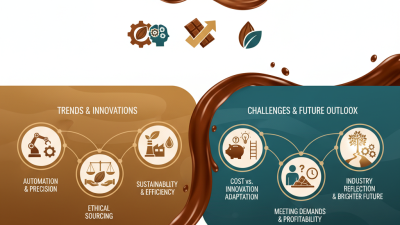
2026 Top Chocolate Processing Machine Trends and Innovations?
-
What is a Chocolate Cutting Machine and How Does It Transform the Confectionery Industry