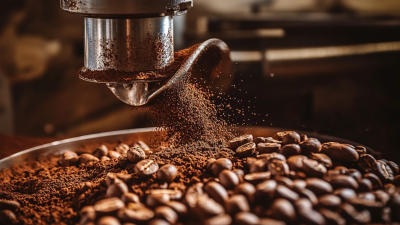
2026 Top Chocolate Grinding Machine Types Buyers Need
Choosing the right Chocolate Grinding Machine in 2026 requires more than comparing motor power or polished product photos. Buyers must match machine design with real production demands, including batch size, cocoa particle targets, heat control, cleaning time, and available floor space. A compact stone melanger may suit small craft makers, while a continuous ball mill can support larger factories. Each choice creates different costs, textures, and maintenance responsibilities.
Peter P. Greweling, a respected confectionery educator and author, states, “Good chocolate is made by controlling ingredients, temperature, and technique.” This principle also applies to grinding equipment. A machine that runs quickly may still damage flavor if friction creates excessive heat. Stainless-steel contact parts, adjustable speed control, sealed bearings, and easy discharge systems deserve close inspection. Ask for test data. Request references from comparable users. Look inside the machine, not only at its brochure.
The 2026 market includes stone grinders, ball mills, colloid mills, and refiners designed for different chocolate processes. Some models promise impressive output. That promise needs verification. Buyers should examine energy consumption, noise levels, replacement parts, warranty terms, and operator safety. Small details matter, such as whether hardened chocolate remains trapped beneath a scraper after shutdown. That can delay production and increase waste. No machine is perfect. A careful buyer accepts this and identifies the compromises before purchase. This guide compares the leading Chocolate Grinding Machine types, explains their working differences, and shows which features deserve attention in practical production environments.
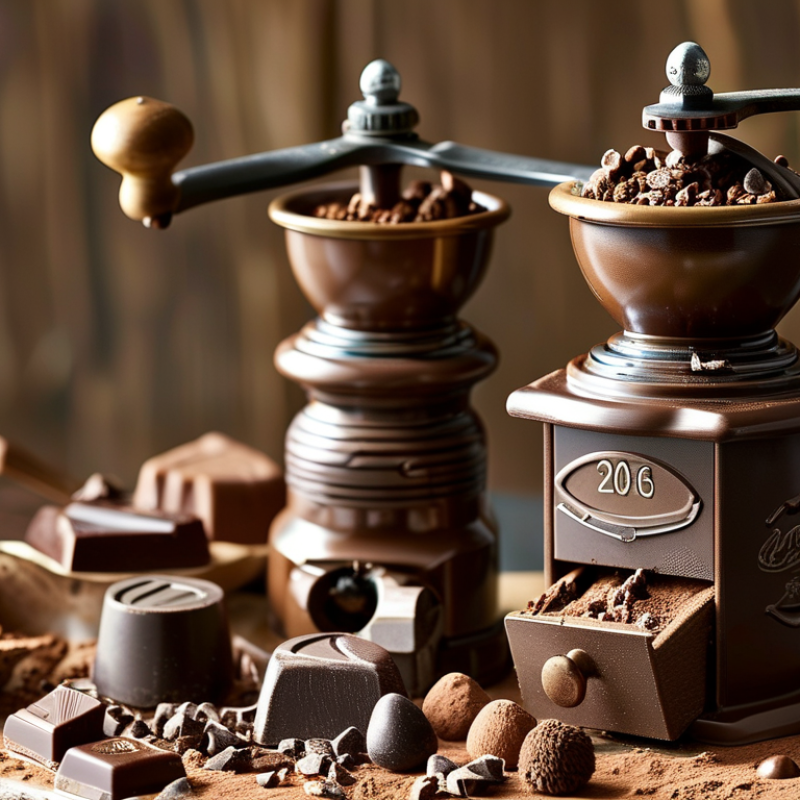
What a Chocolate Grinding Machine Does and Why It Matters
A chocolate grinding machine reduces cocoa particles, sugar, and other ingredients into a smoother mass.
It works through pressure, friction, or rolling action. The machine also helps distribute cocoa butter evenly through the mixture. Texture changes quickly.
In practical production, particle size is a key quality measure. Larger particles can create a sandy mouthfeel. Excessive grinding may increase heat and affect aroma.
Stone grinders usually provide gentle, slower processing for small batches. Ball mills often deliver faster, more consistent results.
Roll refiners can improve uniformity before later mixing and conching stages.
The machine matters because it influences texture, flavor release, production speed, and waste.
Operators should monitor temperature, batch weight, grinding time, and final particle size. A clean grinding chamber also protects flavor consistency between batches.
However, equipment capacity on paper can be misleading. Viscosity, ingredient ratios, and cooling conditions may reduce actual output.
One common mistake is choosing maximum capacity instead of suitable capacity.
In my view, a reliable purchase begins with testing the intended recipe. Ask for measurable results, not only impressive specifications.
Even then, one trial is rarely enough. Real production changes from batch to batch.
Key Machine Types for Different Chocolate Production Needs
2026 Top Chocolate Grinding Machine Types Buyers Need
Choosing a chocolate grinding machine depends on production goals, recipe design, and available floor space. A small artisan workshop may prefer a stone melanger or compact batch grinder. It handles limited volumes and gives operators close control over texture. However, cleaning can take longer than expected. That detail is easy to overlook.
For medium-scale production, ball mills offer efficient particle-size reduction and steady processing. They suit chocolate spreads, fillings, and standard couverture recipes. Roll refiners are useful when manufacturers need a smooth texture with consistent particle distribution. Their output depends heavily on ingredient feeding and pressure settings. An experienced operator can often correct uneven results before they affect the entire batch.
Large facilities may choose continuous grinding systems for higher throughput and stable operating cycles. These machines work well with automated dosing, temperature monitoring, and in-line quality checks. Conching equipment may follow grinding to improve flavor and reduce unwanted moisture. Buyers should review actual capacity, not only the advertised maximum. A machine running below its ideal load can waste energy and produce inconsistent chocolate. During trials, measure particle size, product temperature, cleaning time, and daily output. Maintenance access also matters. A polished specification sheet cannot replace practical testing with the intended recipe.
How Each Grinding System Works and Handles Chocolate Ingredients
Chocolate grinding machines in 2026 differ mainly in how they reduce particle size, control heat, and manage ingredient flow. Ball mills use rotating chambers filled with grinding media. They create a smooth chocolate mass with relatively low space requirements. Their closed design also limits dust and moisture exposure. However, excessive heat can soften cocoa butter and change viscosity.
Five-roll refiners compress chocolate between calibrated rollers. They suit recipes needing tight particle-size control, especially cocoa, sugar, and milk solids. Refiner-conche systems combine particle reduction with flavor development. They can remove unwanted acidic notes, but they usually require more floor space and longer processing time. Stone grinders work more gently and may preserve a rustic texture. They are less suitable for high-volume production.
The International Cocoa Organization estimated global cocoa grindings near 4.85 million tonnes in the 2023/24 season. That volume shows why throughput, energy use, and repeatability matter during equipment selection. Still, production scale alone should not decide the purchase. A 2024 food-processing equipment report from Grand View Research highlights automation and process efficiency as major investment drivers.
Tips: Test the exact recipe before ordering. Measure particle size, outlet temperature, viscosity, and cleaning time. Include nuts, milk powder, or high-sugar formulas in trials. Small differences matter. I have seen machines perform well with dark chocolate but struggle with sticky fillings. Buyers should also question optimistic capacity figures. Real output often drops when cooling, cleaning, or recipe changes interrupt production.
Buyer Criteria for Comparing Capacity, Fineness, Speed, and Cost
2026 Top Chocolate Grinding Machine Types Buyers Need
Buyer Criteria for Comparing Capacity, Fineness, Speed, and Cost
Choosing a chocolate grinding machine starts with the product, not the catalogue image. Stone grinders suit small batches and traditional textures. Ball mills often deliver faster refining for continuous production. Refiner-conches can combine particle reduction with flavor development, but they usually require more space and investment. In production trials, capacity should match your real hourly demand, not an optimistic sales estimate. Leave room for seasonal peaks and cleaning time.
Fineness must be measured with a reliable particle-size method. A smooth sample can still contain coarse particles that affect mouthfeel. Many buyers target particles below 25 microns, but recipes differ. Test the actual chocolate mass, including sugar, cocoa solids, and fat. Ask for a sample run using your formulation. Do not judge performance from water or a neutral paste. Small details matter.
Speed also affects heat, texture, and energy use. Faster grinding is not automatically better. Excessive heat may change viscosity and weaken flavor quality. Check rotor speed, cooling control, motor load, and batch recovery time. Noise matters. Cost should include electricity, wear parts, labor, maintenance, and downtime. I once focused too heavily on purchase price and underestimated cleaning delays. That comparison was incomplete. A lower-cost machine may become expensive when operators struggle with access, drainage, or inconsistent output. Measure twice. Decide with production evidence.
2026 Top Chocolate Grinding Machine Types Buyers Need
Buyer Criteria for Comparing Capacity, Fineness, Speed, and Cost
The chart uses a 0–100 comparative index derived from typical operating ranges for non-branded chocolate grinding equipment. Higher capacity and speed scores indicate greater throughput and rotor or grinding speed. The fineness score rewards a smaller particle size in microns, while the cost score indicates relative affordability. Actual results depend on formulation, cocoa solids, viscosity, cooling, and machine configuration.
Choosing the Right Chocolate Grinder for Your 2026 Production Goals
Choosing the Right Chocolate Grinder for Your 2026 Production Goals requires more than comparing machine capacity. The International Cocoa Organization’s 2023/24 report placed global cocoa grindings near 4.85 million tonnes. Demand remains substantial, but each factory needs a different grinding route. A stone melanger suits small batches and craft recipes. A ball mill offers faster processing and compact installation. Five-roll refiners support precise particle reduction for larger, consistency-driven production.
Start with your target particle size, batch volume, and cleaning schedule. Chocolate below 25 microns usually feels smoother on the tongue, but over-refining can increase energy use and affect viscosity. The European Commission’s Best Available Techniques reference notes that energy efficiency and process control remain important concerns in food manufacturing. Measure actual output, not brochure capacity. Real production is often lower.
Tips: Test your cocoa liquor and sugar mix before purchasing. Record temperature, refining time, particle size, and power use. Ask for a factory trial with your formula. Do not choose only by motor power. I have seen promising machines struggle with sticky masses and short cleaning windows. That detail is easy to miss. A continuous grinder may fit stable, high-volume production, while a batch unit offers better recipe flexibility. Leave room for maintenance access, operator movement, and future capacity. Your 2026 goal may change faster than the equipment.
Related Posts
-
Essential Checklist for Selecting the Best Cocoa Grinding Machine in 2023
-
China's Intelligent Chocolate Machines Redefining Global Quality Standards
-
What Makes the Best Chocolate Manufacturing Machine Essential for Your Business
-
2026 Top Chocolate Processing Machine Trends and Innovations?
-
Ultimate Checklist for Choosing the Best Cocoa Processing Machine for Your Factory
-
What is the Essential Role of Cocoa Beans Processing Machines in the Chocolate Industry